
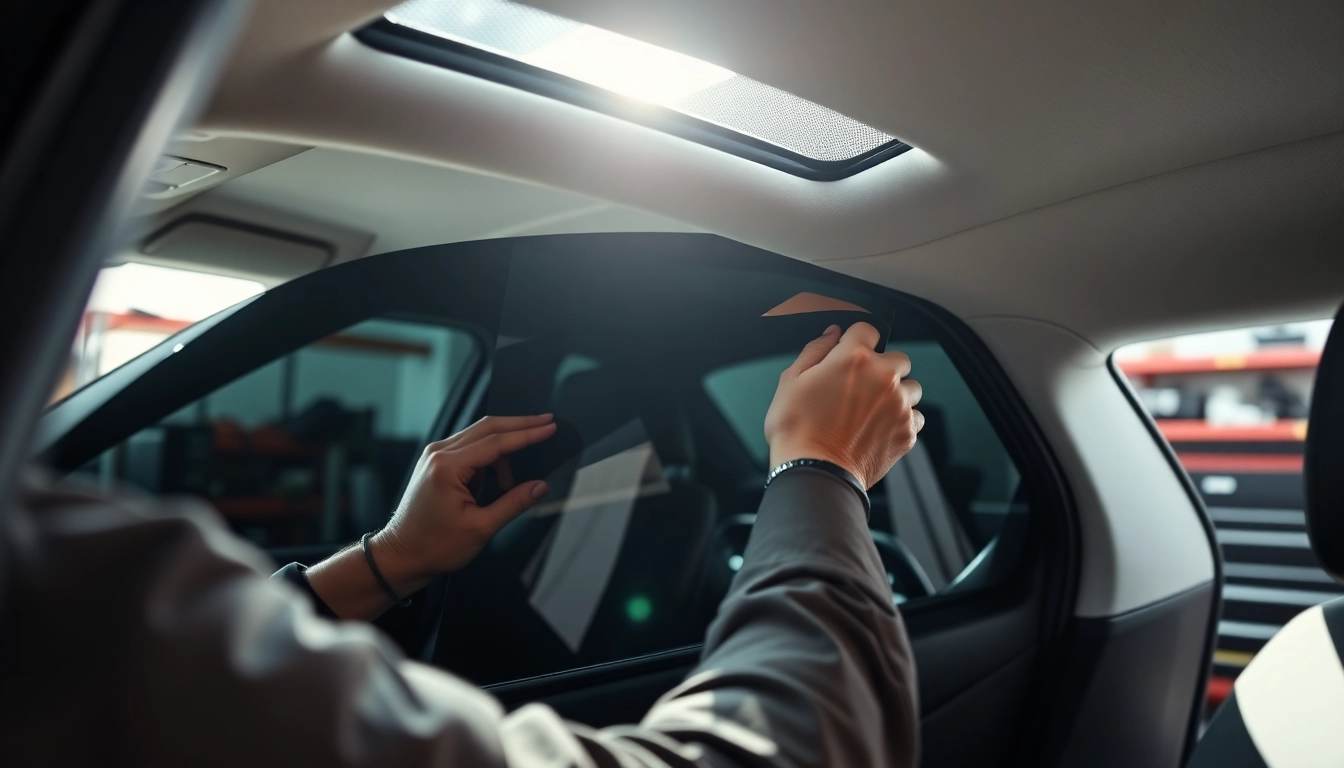
Understanding Window Tint Chattanooga
What is Window Tint?
Window tinting is the process of applying a thin film to the glass surfaces of vehicles or buildings to enhance privacy, reduce glare, and block harmful UV rays. Specifically, window tint Chattanooga has gained popularity as people in this region seek solutions to improve comfort and appearance while safeguarding their health and belongings. This film comes in various shades and types, allowing tailored solutions for every need.
Types of Window Tint
There are several types of window tint available, each catering to different preferences and requirements:
- Dyed Window Tint: This tint uses dye to create color on the adhesive film. It provides basic heat and glare reduction but may not offer the highest level of UV protection.
- Metalized Window Tint: This type contains tiny metal particles that reflect heat and UV rays away from the glass. It’s more effective than dyed tint, providing durability and better heat rejection.
- Carbon Window Tint: Carbon tints have a non-reflective matte finish, making them ideal for those who desire style without a shiny appearance. They block a significant amount of infrared light, helping keep vehicles cool.
- Ceramic Window Tint: Ceramic tint is one of the most advanced options available. It uses non-metallic ceramic particles to prevent heat and UV penetration while allowing for clear visibility. It’s also non-reflective and won’t interfere with GPS, radio, or cell signals.
- Security Window Film: Designed for durability, this film is thicker than standard window tints. It provides additional safety by holding shattered glass in place, reducing the risk of injury during accidents or break-ins.
Legal Regulations in Tennessee
When considering window tinting in Chattanooga, it’s crucial to adhere to Tennessee’s legal regulations. The law specifies visible light transmission (VLT) levels for each type of window:
- Windshield: Must allow at least 70% VLT on the top top six inches, but the rest can be darker.
- Front Side Windows: Must allow a minimum of 35% VLT.
- Back Side Windows: There is no restriction; any darkness is permitted.
- Rear Window: No restrictions, but reflective films should not exceed 20% reflectivity.
Being aware of these regulations helps you avoid fines and complications while ensuring you maintain safety and compliance on the roads.
Benefits of Window Tint Chattanooga
UV Protection for Your Health
One of the primary benefits of window tinting is its ability to block harmful UV rays. Constant exposure to these rays can lead to serious skin issues, including premature aging and skin cancer. High-quality window tint can block up to 99% of UV radiation, providing you and your passengers with significant protection. This feature is particularly beneficial for those who spend a considerable amount of time in their vehicles.
Heat Reduction for Comfort
Another significant advantage of window tinting is its heat-reducing capabilities. Tinted windows can keep the interior of your vehicle or home significantly cooler by reflecting sunlight. This not only increases comfort but also reduces the need for air conditioning, leading to lower energy bills. Studies indicate that effective window tinting can reduce indoor temperatures by up to 15 degrees, making a noticeable difference, especially during the sweltering summer months.
Enhanced Privacy and Security
Privacy is a crucial concern for many vehicle and homeowners. Tinted windows provide an extra layer of security by obscuring the view into your vehicle or home. This added privacy not only safeguards your belongings but also protects your personal space from prying eyes. Additionally, the thicker the tint, the more difficult it becomes for would-be thieves to see valuables inside, potentially deterring theft.
Choosing the Right Window Tint Chattanooga
Factors to Consider
When selecting window tint, consider several factors to make the best decision for your needs:
- Purpose: Determine what you want to achieve—UV protection, heat reduction, aesthetics, or security. Each tint type offers varying benefits.
- Legal Compliance: Always check local regulations to ensure your choice aligns with the law.
- Quality: Opt for reputable brands that offer warranties and use durable materials to ensure longevity.
- Professional vs. DIY: Professional installations often come with guarantees and expertise, while DIY options may save money but could be risky for the untrained.
Professional Installation vs. DIY
While DIY window tinting kits are available and may seem cost-effective, professional installation often ensures better results. Professionals have experience dealing with different types of glass and can apply the tint without bubbles or imperfections. Additionally, many installers provide warranties that cover any issues arising from the installation process. If budget permits, professional installation is worth considering for the best long-term outcomes.
Cost Analysis of Different Options
The cost of window tinting can vary based on several factors, including the type of tint, the size of the vehicle or windows, and whether installation is professional or DIY. Here’s a general breakdown:
- Dyed Tint: Generally the most affordable, ranging from $100 to $300 for vehicles.
- Metalized Tint: A moderate option that can range from $200 to $400.
- Carbon Tint: Costs between $300 to $600 depending on quality and vehicle size.
- Ceramic Tint: The most expensive, typically costing from $500 to $800 or more, but offers the best heat rejection.
- Security Film: Prices can vary widely based on thickness and materials used, often ranging from $300 to $600.
Ultimately, while higher initial investment in quality tints may seem daunting, the long-term benefits often justify the cost through savings on energy bills and increased comfort.
Maintenance Tips for Window Tint Chattanooga
Cleaning Your Tinted Windows Safely
Maintaining tinted windows is crucial for their longevity and effectiveness. Use non-abrasive cleaners that are free from ammonia, as this can damage or discolor the tint film. Instead, opt for gentle cleaners specifically designed for tinted windows, or simply use a mixture of water and vinegar. Soft, lint-free cloths are best for cleaning to avoid scratches.
What to Avoid After Installation
After installation, certain practices should be avoided to ensure the tint lasts:
- Avoid rolling down windows for at least 3-5 days after installation to allow the tint to properly adhere.
- Don’t use thin blades or razors for cleaning; this can scratch the surface or lift the film.
- Keep the tinted glass away from extreme temperature variations, as this can cause bubbling or peeling.
Extending the Life of Your Tint
To maximize the life of your window tint, ensure it’s installed by a professional, and follow the recommended maintenance practices. Regularly inspect your tint for any bubbles or peeling, which can indicate improper installation or damage. If you notice significant issues, addressing them quickly can prevent further complications. Additionally, avoid using car washes that utilize brushes, as these can scratch the tint film.
FAQs about Window Tint Chattanooga
How long does window tint last?
Window tint typically lasts between 5 to 10 years, depending on quality and maintenance.
Is window tint legal in Chattanooga?
Yes, but there are specific regulations regarding tint darkness and reflection levels.
Can window tint reduce glare?
Yes, high-quality window tints significantly minimize glare, enhancing visibility.
Will window tint affect my car’s warranty?
Generally, professional installation of window tint does not void your car’s warranty.
How do I care for my tinted windows?
Use gentle cleaners and soft cloths; avoid ammonia-based products to maintain tint quality.